
Highlights in This park
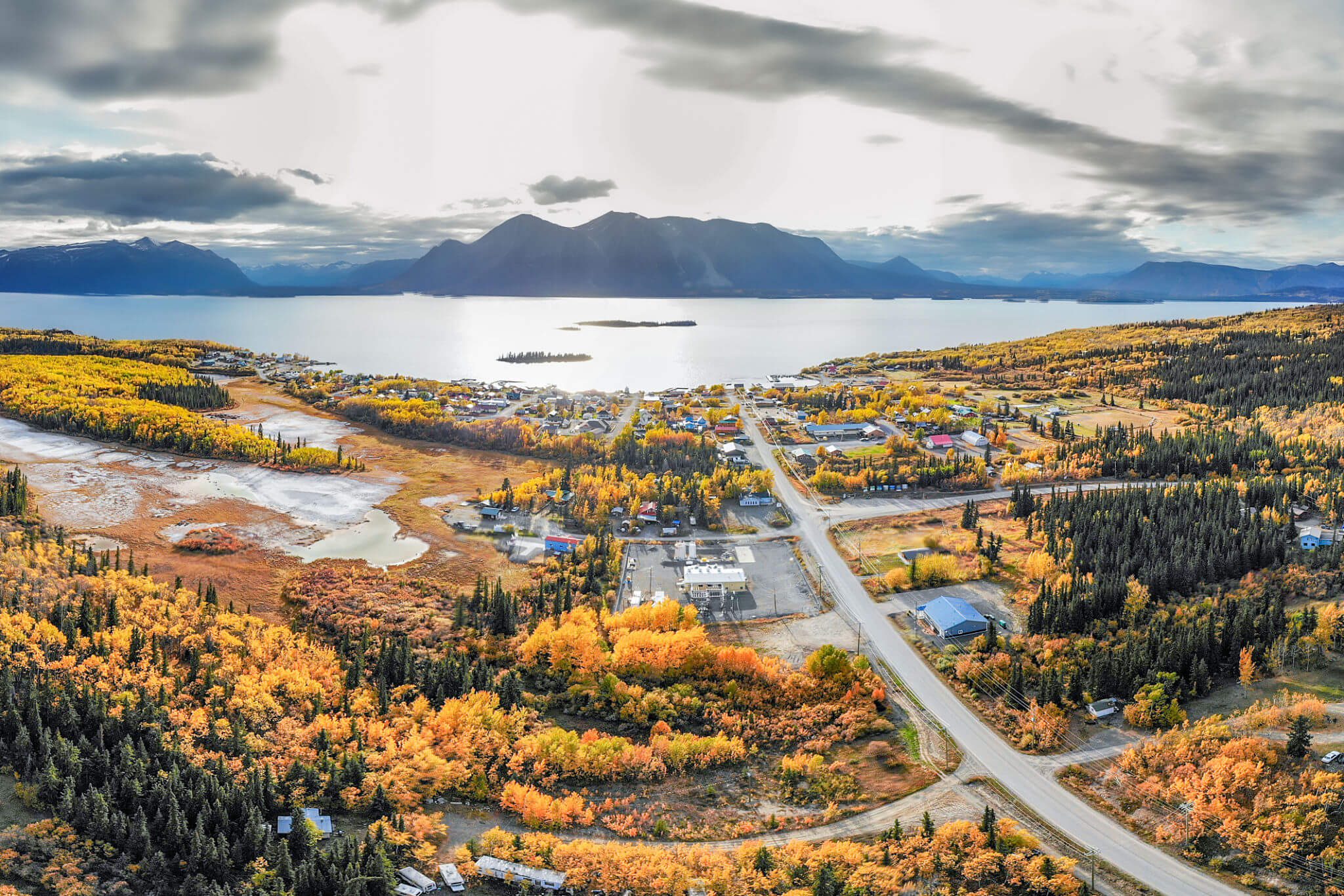
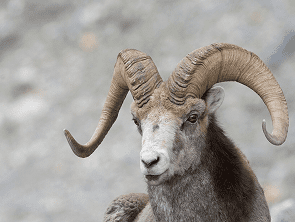
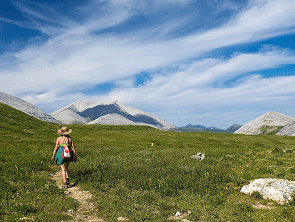
Stone Mountain Park covers 25,691 hectares of remote, mountainous terrain along the Alaska Highway, in the northern Rocky Mountains. Travellers passing through the park can enjoy spectacular landscapes and incredible wildlife viewing opportunities. Backcountry hiking routes offer experienced outdoors people access to valleys containing picturesque alpine meadows and lakes.
Know Before You Go
There are no reported advisories for this park
Safety Information
General Safety Info
- Weather conditions can change quickly in Stone Mountain Park, so be prepared for all conditions when hiking or camping here
- Always carry first-aid equipment and extra clothing and food when hiking in this park
Backcountry Safety Info
Stone Mountain Park offers significant backcountry hiking and camping opportunities. The term ‘backcountry’ refers to an area more than 1 km away from a highway or park road.
Take extra care when visiting any backcountry area. Stone Mountain’s remote terrain is home to potentially dangerous predators. Emergency response times will be significantly longer than in the frontcountry.
When visiting Stone Mountain, pay particular attention to the following advice:
- Before setting out on a backcountry expedition, leave a detailed trip plan with a friend or family member
- Bring a satellite communication device, an extra day’s-worth of food and other supplies, and a first aid kit
- Water sources in the backcountry may carry giardia and other parasites, so boil or filter water before use
- Educate yourself on wildlife safety practices, securely store anything that might attract animals, and always carry bear spray
- Follow campfire safety best practices and always observe campfire bans (for more information, see the campfires section, below)
For details on how to stay safe in remote areas, see the backcountry guide page.
Special Notes
- The flora of Stone Mountain Park is fragile due to severe weather and a short growing season. Always tread carefully and lightly when hiking here.
- Camping fees must be paid in cash. Credit and debit cards are not accepted at this park.
For details on how to stay safe in remote areas, see the backcountry guide page.
Visit Responsibly
Follow these guides to ensure your activities are safe, respectful, and ecologically friendly:

Reservation Policies
Get information on:
Maps and Location
Getting There
Stone Mountain Park is at the 595 km mark of the Alaska Highway, roughly 140 km west of Fort Nelson.
Camping
Frontcountry Camping
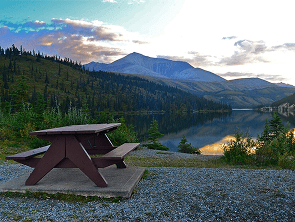
Stone Mountain park offers vehicle-accessible campsites in the Summit Lake area. Sites are available on a first come, first served basis only. Campsite reservations are not accepted.
Camping fees must be paid in cash. Credit and debit cards are not accepted at this park.
Fees
| Vehicle-accessible camping fee | • $20 per party per night |
|---|---|
| BC Senior Camping Discount rate* | • $10 per party per night |
*The BC Senior Camping Discount is only available from the day after Labour Day until June 14, to qualifying parties. Learn more about the BC Senior Camping Discount, on the camping fees page.
Gallery
Frontcountry Campgrounds
Summit Lake Campground

Operating Season
Dates unavailable

Off-Season Note
Gate is closed when snow falls.
Number of Campsites
Vehicle-accessible sites: 28

Wilderness Camping
Wilderness camping is allowed in the backcountry of Stone Mountain Park. The term ‘backcountry’ refers to an area more than 1 km away from any highway or park road. ‘Wilderness’ refers to any backcountry area with no facilities.
Camp in the Wild
There are backcountry camping opportunities on Flowering Springs trail, MacDonald Creek Valley Trail, and Wokkpash Trail. When looking for an area to camp in, choose a location where you will have a minimal impact on the environment.
Stay Wildlife Smart
Take particular care to securely store food and anything else that might attract animals to your campsite. Always carry bear spray when hiking in the backcountry. For more information, see the wildlife safety page.
Fire Safety First
Follow campfire safety best practices and always observe campfire bans. Do not gather wood or destroy vegetation for use in campfires. For more information, see the campfires section.
Check Before You Light
Campfire bans are becoming increasingly common. Check for bans or restrictions on the BC Wildfire Service website and on local or Indigenous government sites.
Respect Nature Always
When visiting the backcountry, always follow Leave No Trace outdoor ethics. To learn more about staying safe in the backcountry, read our backcountry guide.
Things to Do


Facilities
About This Park
Geology:
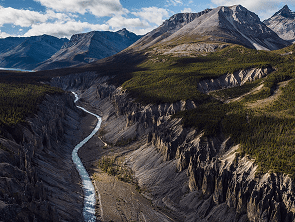
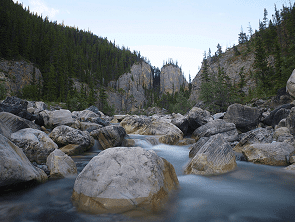
Stone Mountain Park’s geology is typical of the northern Rocky Mountains’ Eastern Muskwa Ranges. These are characterized by complex folds, wide U-shaped valleys, and rugged peaks of Paleozoic limestone and quartzite.
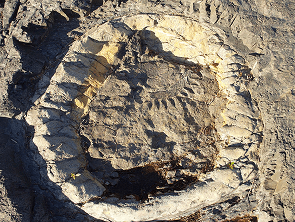
Compared to the southern Rocky Mountains, the older Muskwa Ranges show evidence of more complex tectonic deformation. Throughout the park, there are examples of tilted sedimentary strata, folds, faults, and synclines.
The park’s topography is steep, with elevations ranging from 1,200 m to 2,500 m. Elevations exceed 2,300 m only in the south of the MacDonald Creek headwaters. At 2,550 m, St. Magnus is the park’s tallest mountain.
Glaciation has been responsible for forming the present-day landscape. The U-shaped MacDonald Valley illustrates this. As glacial ice melted, the area of Summit Lake received immense deposits of gravel and boulders.
This was followed by an intense period of fluvial erosion. As a result, major outwash plains were formed in the headwaters of the North Tetsa River. Five distinct terrace levels indicate the intensity of fluvial action.
Lakes:
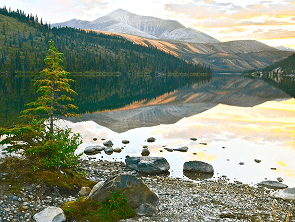
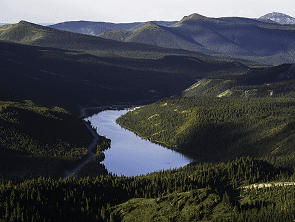
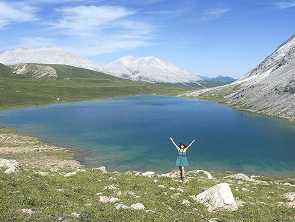
Various water bodies are recharged by meltwater in spring, and rain in summer. Summit Lake is the park’s largest body of water. Rocky Crest Lake, a small sub-alpine lake, lies to the west. Between these two lakes is a broad wetland.
Flora:
Due to its mountainous location, Stone Mountain Park supports only two bio-geoclimatic zones. The subalpine zone is characterized by white spruce, willow, birch, and lodgepole pine.
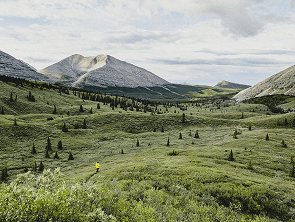
The alpine tundra zone begins above the 1,500 m mark. Scrub birch and willow species are found along wet areas. Grasses and alpine flowers occur in areas that have enough soil to support them.
On shady sites in the alpine tundra zone, small basins of alpine muskeg occur. Please be careful and avoid these soft, spongy areas, as they are very sensitive to trampling and any kind of disturbance.
The park’s alpine meadows offer opportunities to view the Lapland rosebay shrub, which does not grow any further south. This small shrub is from the rhododendron genus and bears showy clusters of bright rose-purple flowers.

Reconciliation With Indigenous Peoples
BC Parks honours Indigenous Peoples’ connection to the land and respects the importance of their diverse teachings, traditions, and practices within these territories.
This park webpage may not adequately represent the full history of this park and the connection of Indigenous Peoples to this land. We are working in partnership with Indigenous Peoples to update our websites so that they better reflect the history and cultures of these special places.